Propagating Houseplants: Stem Cuttings vs Division — A Studio Notebook
Question
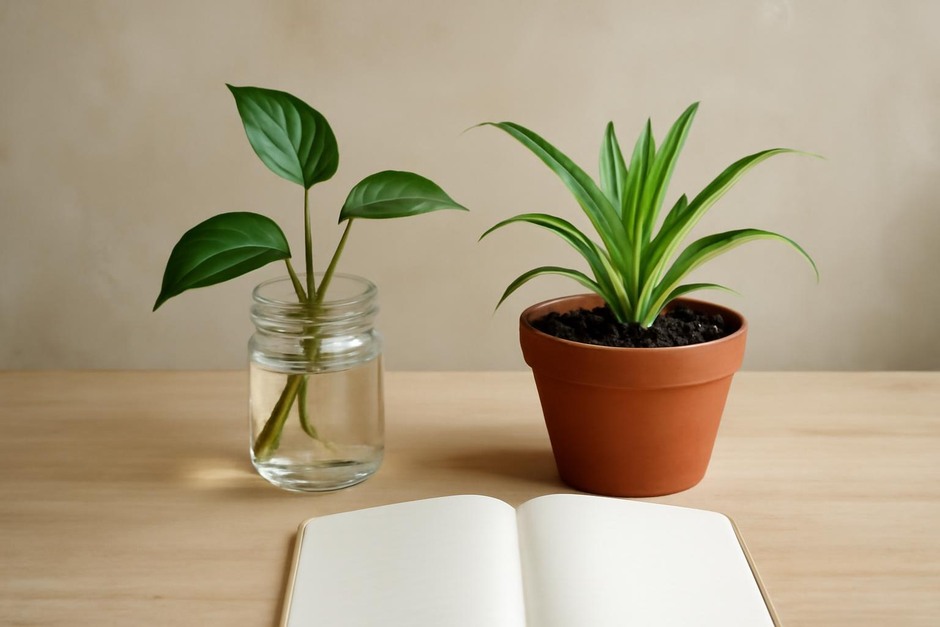
Can I reliably multiply my houseplants at home using two simple methods—stem cuttings and division—and how should I decide which method to use on a given plant? In this studio notebook I ran short experiments on common houseplants to document process, timing, and outcomes so you can make a confident choice.
Overview of the approaches
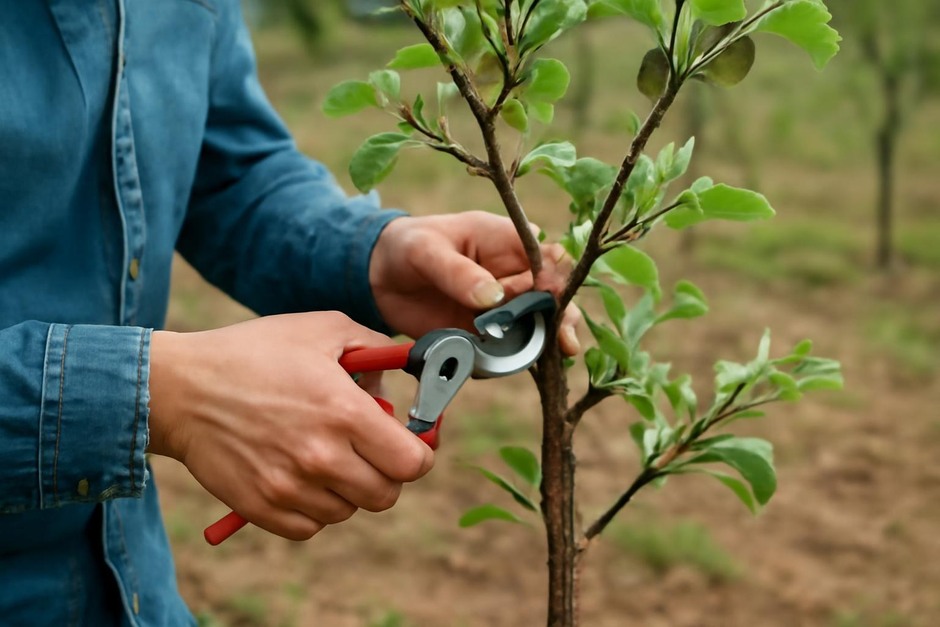
Stem cuttings take part of a parent plant (a stem, sometimes a leaf) and encourage roots to form on that piece. They’re common for vining and woody plants such as pothos, philodendron, coleus, and many succulents.
Division separates an existing root-and-shoot clump into two or more smaller plants. It’s typical for clumping plants like peace lilies, snake plants (when potted as dense clumps), ZZ plants, and many bulbs or tuberous indoor plants.
Studio process: stem cuttings
Setup: I chose a healthy pothos and a coleus, a clean pair of scissors, small jars of water, a fresh potting mix, and trays of moist soil to try both water and soil rooting.
- Selected non-flowering, vigorous stems about 4–6 inches long with 3–4 nodes.
- Cut just below a node, removed lower leaves to expose 1–2 nodes, and placed cuttings in jars of water and in cups of moist seed-starting mix.
- Kept jars on a bright windowsill out of direct midday sun and changed water twice weekly; soil cups maintained evenly moist but not waterlogged.
- Recorded root initiation: pothos in water showed tiny white roots in 7–10 days; coleus rooted in soil within 10–14 days when kept warm.
- Transplanted water-rooted cuttings to pots once roots were 1–2 inches long; kept newly potted plants shaded for a week to ease acclimation.
Notes: Water rooting made it very easy to watch progress and avoid overwatering. Some plants (e.g., succulents) did better when allowed to callus and rooted directly in soil.
Studio process: division
Setup: I used a mature snake plant and a peace lily. Tools included a trowel, a sharp knife for compact rhizomes, fresh potting mix, and two pots.
- Gently removed the parent plant from its pot and brushed away excess soil to expose root structure.
- Identified natural break points—shoot clusters with their own roots—and separated them by hand where possible; used a sterilized knife for firm rhizomes.
- Planted each division in pots sized to allow some root growth, watered lightly, and placed them in indirect light.
- Observed growth: divisions of the peace lily showed new leaf unfurling within 3–4 weeks; snake plant took longer to show new growth but remained healthy.
Notes: Division is quick for clump-forming species and immediately produces plants with established root systems, reducing shock. Careful handling avoids tearing roots.
Review: pros and cons
- Stem cuttings — Pros: Minimal disturbance to parent plant; can create many new plants from a single specimen; often low-cost and space-efficient while rooting in water. Cons: Longer time to develop a mature root system; some species resist rooting or need specific conditions (bottom heat, hormones).
- Division — Pros: Immediate rooted plants with established root systems; faster visible recovery and growth; ideal for clumping species. Cons: Can stress or reduce the size of the parent plant; not applicable for all growth forms (vines or solitary rosettes).
Risk and recovery
Both methods benefit from clean tools, healthy stock plants, and stable conditions (consistent warmth and light). Division has a higher short-term risk of stress to the parent if it was already root-bound or small. Cuttings often need more monitoring for fungus and rot, especially in soil.
Guidance on choosing between the two
Choose stem cuttings when:
- You have vining or woody plants that readily root from nodes (pothos, philodendron, coleus, rosemary).
- You want to produce multiple new plants while leaving the parent largely intact.
- You prefer the visual feedback of water rooting or have limited potting space.
Choose division when:
- Your plant grows in distinct clumps or has multiple crowns (peace lily, many ferns, clumping snake plants).
- You want faster establishment and reduced early-care requirements for the new plants.
- The parent plant is large enough to spare portions without compromising its health.
Quick decision flow
- Is the plant clump-forming with separate crowns? If yes, divide.
- If it has long stems with nodes, try cuttings.
- If unsure, test both on spare material: take one cutting and one small division and compare results over a month.
Final note from the studio: In my tests, division gave faster visible results and less early fuss, while cuttings offered greater multiplication potential without sacrificing the mother plant. For beginners, division is forgiving when the plant form allows it; for collectors wanting many offspring and experimenting with varieties, cuttings are both economical and satisfying.
Try a small experiment of your own: take one cutting and one division if possible, keep a short notebook of conditions and timings, and adopt the method that fits your space, patience, and the plant’s growth habit.