Straw vs Wood Chip Mulch: A Calm Checklist of Mistakes and How to Choose
Mulching is one of the simplest ways to improve soil health, suppress weeds and conserve moisture. Two common choices in home gardens and small orchards are straw and wood chips. Each has clear strengths and some pitfalls. Below is a calm, practical comparison of both approaches, followed by a checklist of common mistakes and corrective steps, and guidance to help you choose the right mulch for different situations.
Approaches compared: Straw and Wood Chips
Straw: quick to apply, light and temporary
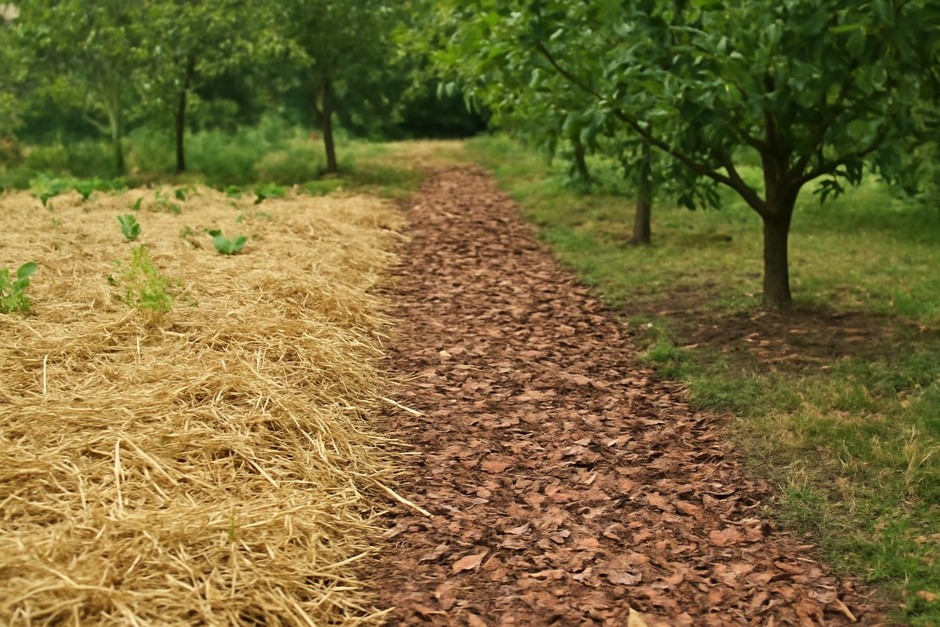
- Benefits: Straw is light, easy to spread, and effective for seedbed protection, annual vegetable rows, and around young plants where you want faster soil warming in spring. It breaks down more quickly than wood chips, adding fine organic matter that tills into the soil within a season or two.
- Drawbacks: Straw can blow away if not anchored, may contain weed seeds if not certified weed-free, and needs more frequent replenishment. It can also look untidy in ornamental beds.
- Best uses: Vegetables, annual beds, potato and carrot coverings, pathways if you want a soft surface that will decompose rapidly.
Wood chips: long‑lasting, stable and structural
- Benefits: Wood chips persist for several years, suppress weeds well, and provide a neat appearance around trees, shrubs and perennial beds. They improve soil structure slowly and are excellent for pathways and under trees where long-term coverage is desired.
- Drawbacks: Fresh wood chips are high in carbon and can temporarily tie up nitrogen at the soil surface if mixed into planting holes or incorporated into beds. Large volumes may also hide pests or fungi if the source material was diseased. They are heavier and harder to move once spread.
- Best uses: Orchard floors, around established shrubs and trees, perennial borders, and paths where durability matters.
Common mistakes and useful corrections — a calm checklist
-
Mistake: Piling mulch against the stems or trunks.
Correction: Keep mulch pulled back 5–10 cm (2–4 inches) from tree trunks and the crowns of perennials. Create a saucer-shaped ring to direct moisture away from trunks and avoid encouraging rot and rodent damage.
-
Mistake: Applying too thick a layer of straw (more than 10–15 cm) or too fine a layer of wood chips.
Correction: For straw, aim for 5–10 cm (2–4 inches); for wood chips, 5–8 cm (2–3 inches) over beds and up to 10–15 cm (4–6 inches) under trees and on paths. Very thick layers can prevent water penetration and create anaerobic pockets.
-
Mistake: Using straw with weed seeds or wood chips from diseased wood.
Correction: Source certified seed‑free straw for veg beds. Use wood chips from healthy, untreated wood (preferably locally sourced arborist chips), and avoid chips from trees with active disease if you plan to use them near susceptible plants.
-
Mistake: Spreading fresh wood chips directly into vegetable planting holes or mixing them into topsoil.
Correction: Use aged chips in veg beds or add a nitrogen-rich amendment (compost, well-rotted manure) to offset temporary nitrogen drawdown. Avoid digging fresh chips into the root zone of annuals.
-
Mistake: Neglecting to replenish mulch.
Correction: Monitor mulch depth each season. Straw will need topping up annually; wood chips much less often. Lightly fork in decomposed material at the end of the season to maintain soil contact.
-
Mistake: Applying mulch to waterlogged or poor‑drainage soils without addressing drainage.
Correction: Improve drainage before mulching: add organic matter, create raised beds or correct compaction. Mulch can exacerbate waterlogging if soils are already saturated.
Guidance for choosing between straw and wood chips
Use this simple decision guide to match mulch to your needs:
- Need quick cover that breaks down fast? Choose straw for annual veg and seedbeds.
- Want a tidy, low‑maintenance surface around trees and paths? Choose wood chips for durability and appearance.
- Concerned about weed seeds? Buy certified seed‑free straw or choose clean wood chips.
- Working near young trees or bulbs? Keep mulch lighter and avoid fresh wood chips directly against stems or planted bulbs.
- On a budget with local resources? Use what’s plentiful: straw from farms or chips from local arborists — but take the sourcing cautions above into account.
- Want to improve soil quickly? Straw and well-composted materials integrate sooner; wood chips are better for slower, longer-term improvement.
If you need both functions, use a combination: apply a thin layer of straw in vegetable rows for the season, then top perennial and tree areas with wood chips for year‑round stability. Or place wood chips on paths and around established trees and reserve straw for sowing and annual needs.
Mulching is forgiving when applied with attention. Keep the basic rules—avoid piling mulch against trunks, mind depth, source materials thoughtfully—and select straw or wood chips to match the garden task. With a little care, either choice will reduce work, conserve moisture and quietly improve the soil over time.